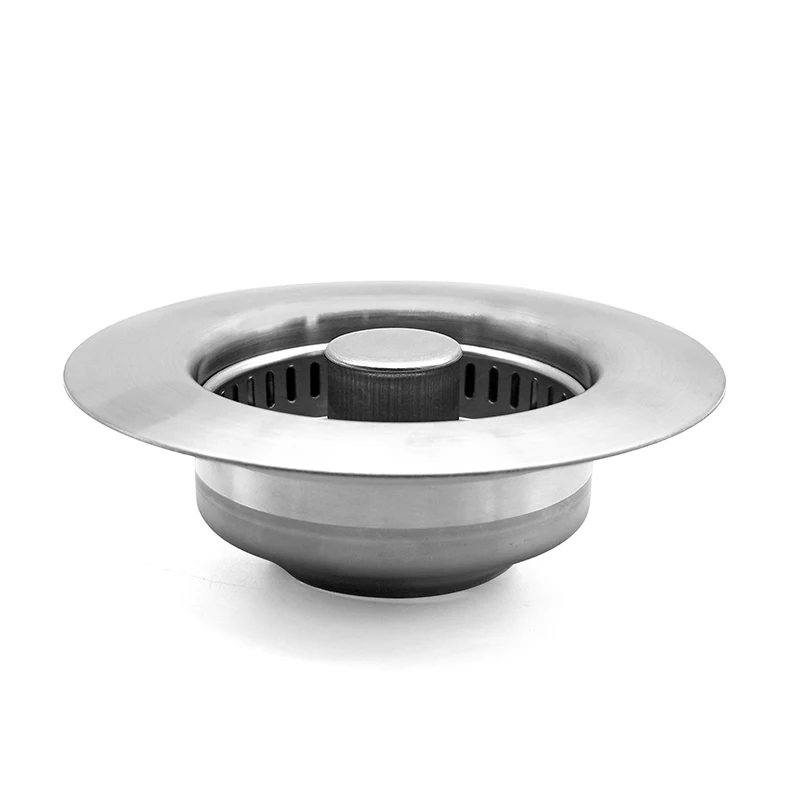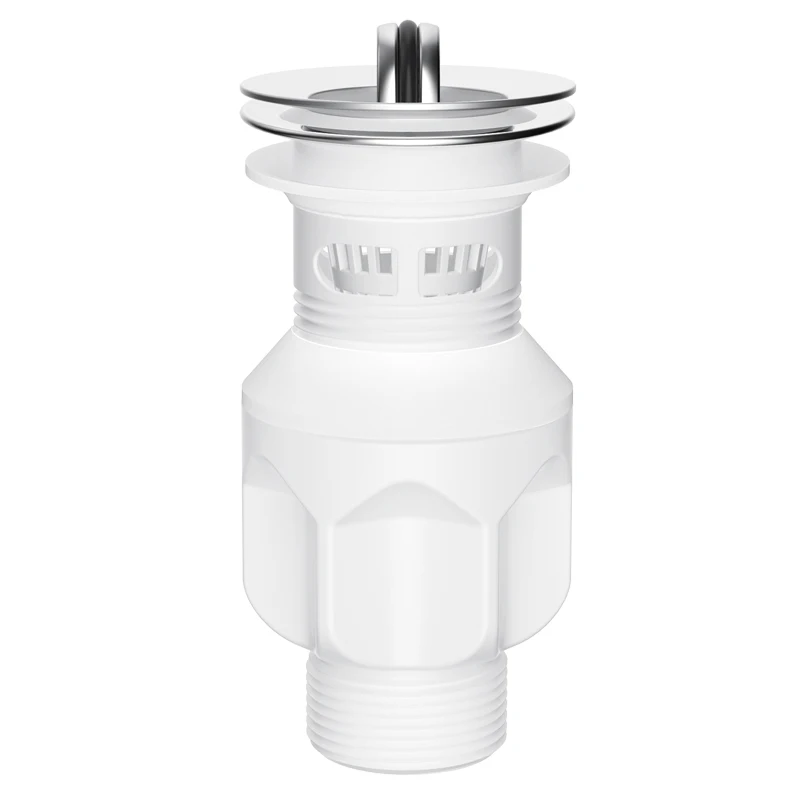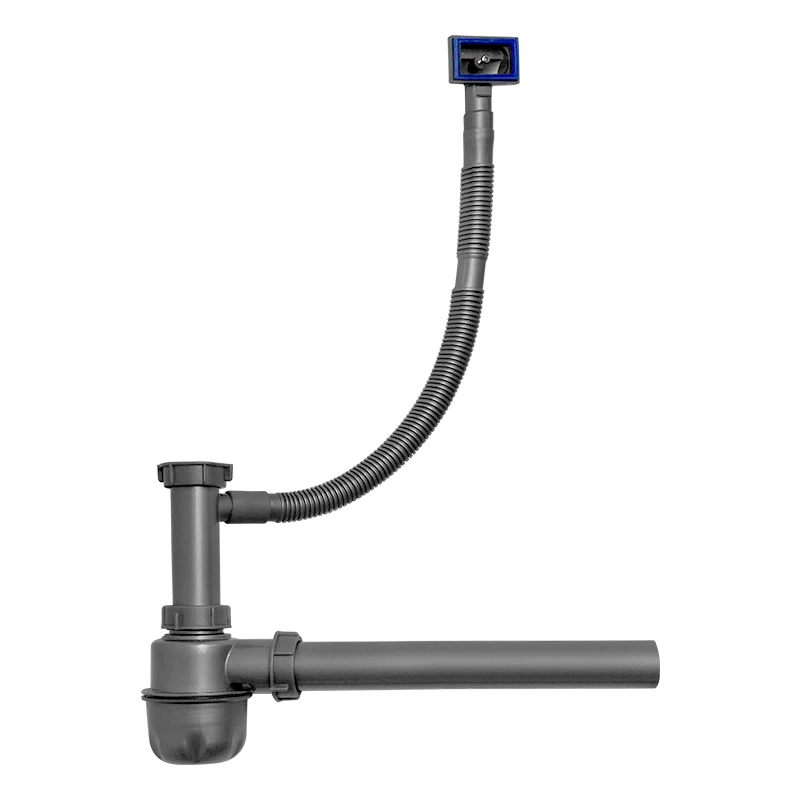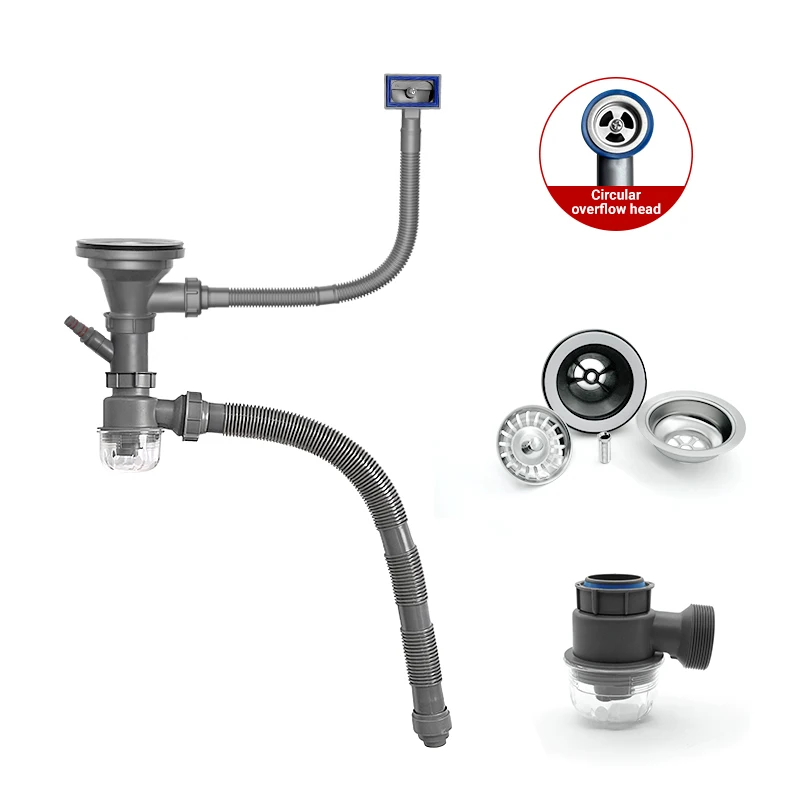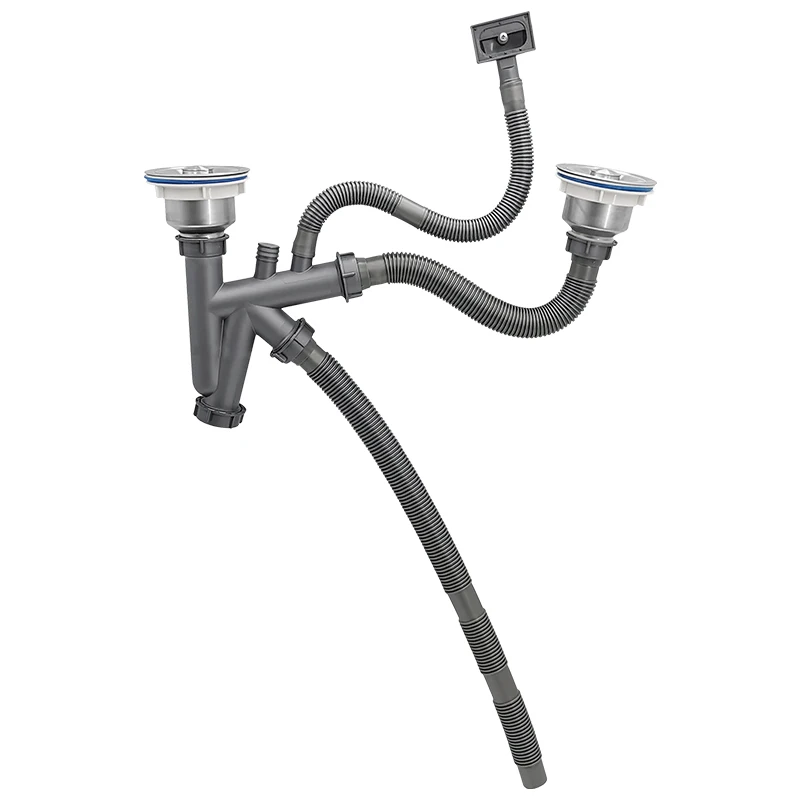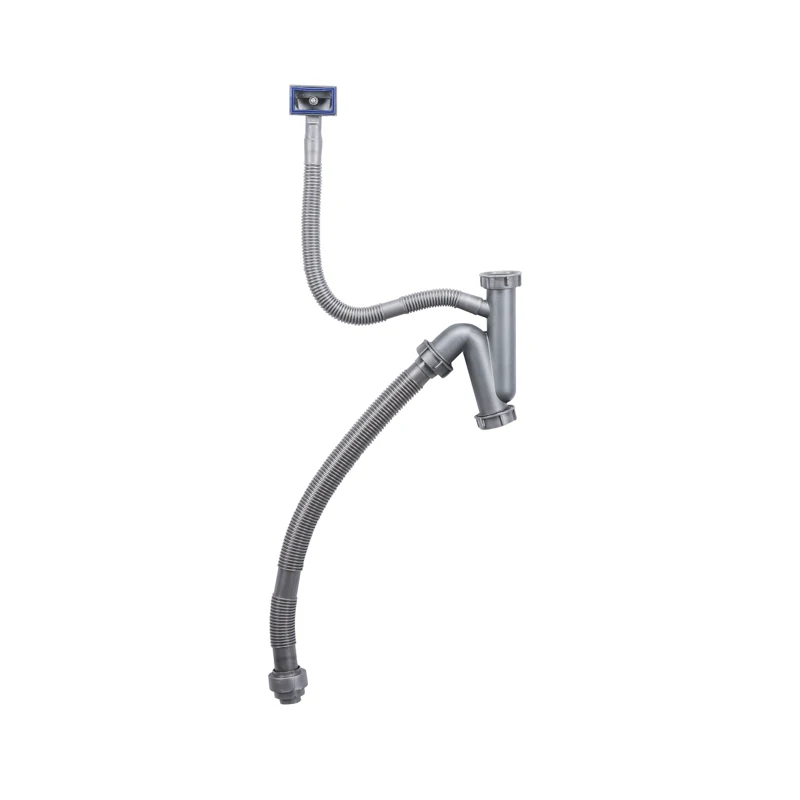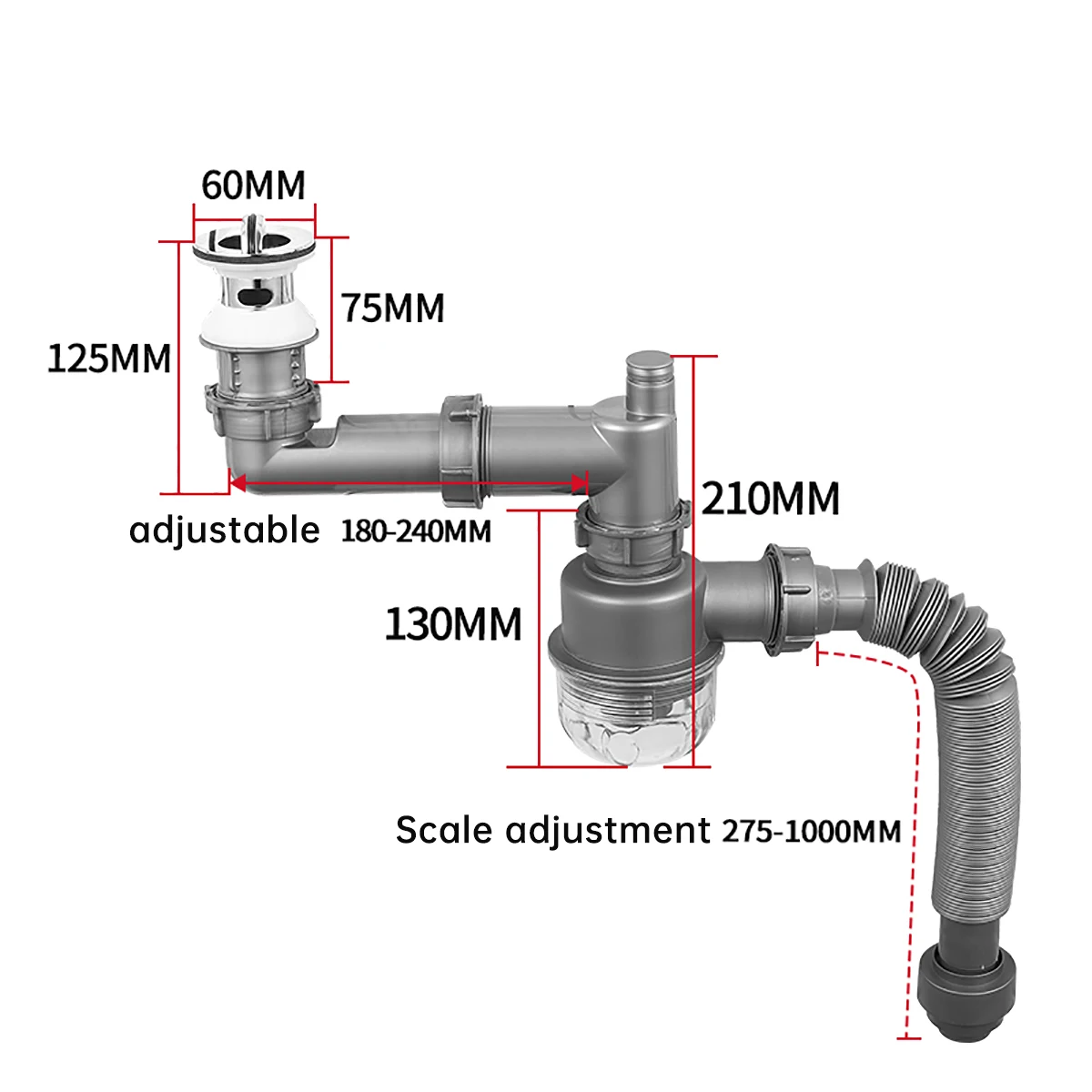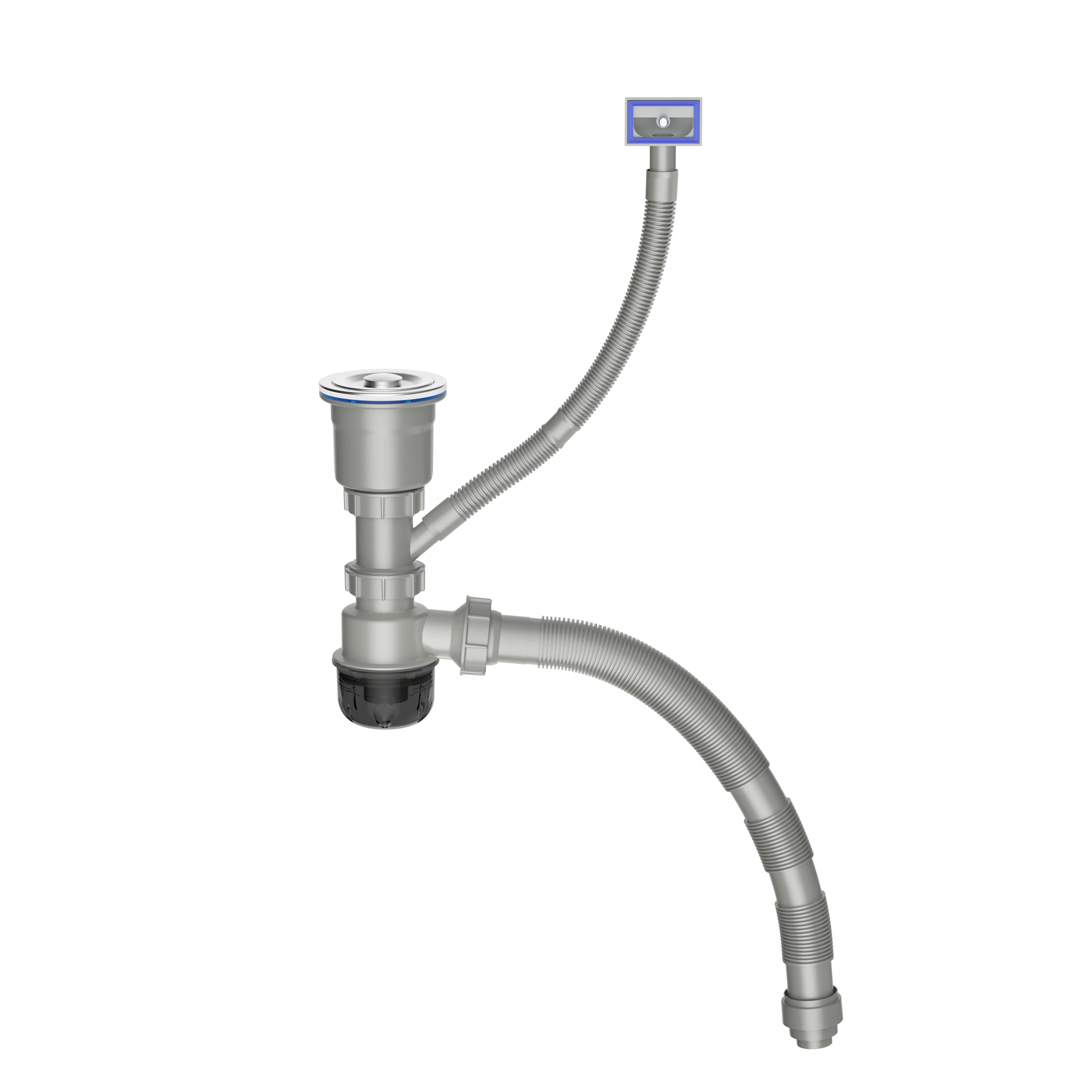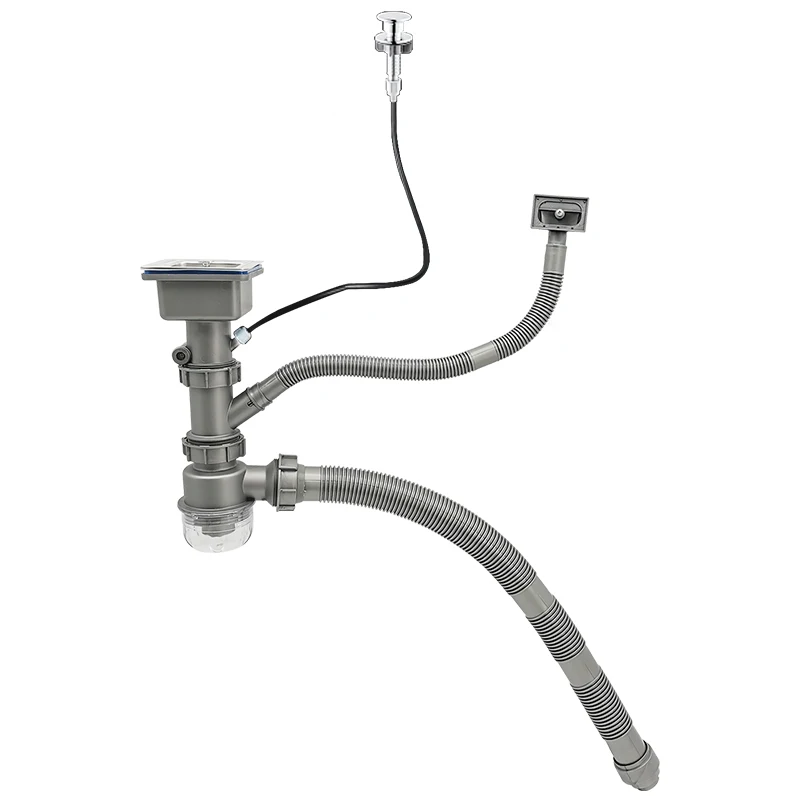
A strainer in sink is a device used to get liquid from one place to another without the aid of electricity or batteries. It does so by siphoning the liquid down a tube. Siphons have been around for millennia and are still quite handy today.
The siphon is very old. The ancient Egyptians employed it to carry water from the Nile River to their fields, for irrigation. Siphons were also employed by the Greeks and Romans to transfer water for their aqueducts and fountains.
These days, sink accessories for kitchens find all kinds of uses. They can be used to help clean fish tanks, transfer fuel in cars and move chemicals in factories. Siphons are useful in a number of situations.
Homemade siphons are simple to make and fun to create. You will require a tube (PVC pipe or garden hose, for example), and two containers for the liquid that you will be moving. First, pour the liquid into one pot. Then place one end of the tube into the liquid and suck on the other end until the liquid begins to move. Once it begins to flow, you can shift the tube to the other container and let gravity take over.
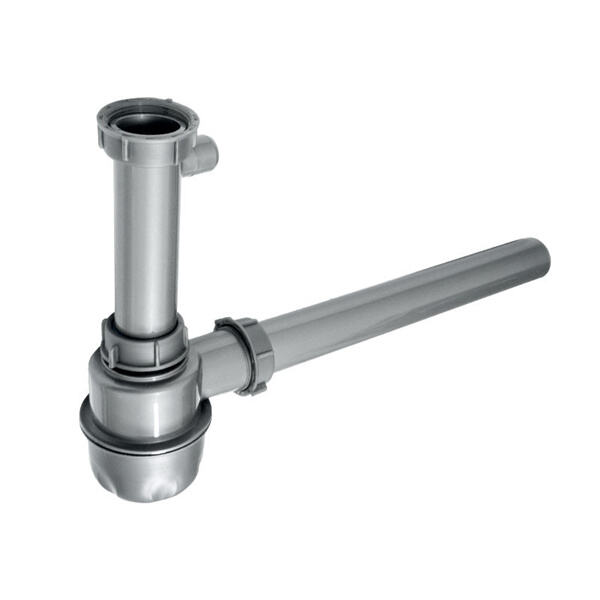
The siphon effect happens thanks to gravity and air pressure. By sucking at one end of the tube, you're creating a vacuum that snatches up the fluid and sucks it over the edge of the container. Once the liquid starts to flow, it is drawn by gravity away from one container and down the tube into the other. Air pressure helps ensure the liquid flows smoothly.
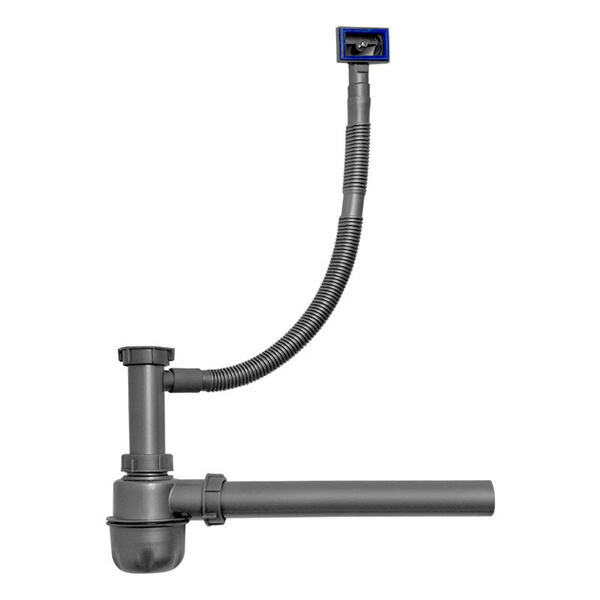
Siphons are commonly used in every days places. For instance, they aid in cleaning swimming pools and tanks. They are also employed in automotive repair shops to siphon off fluids and in factories to transfer chemicals. The siphon is used to manage the water flow and to prevent system flooding. Irrigation machines are also found in dams to water crops.
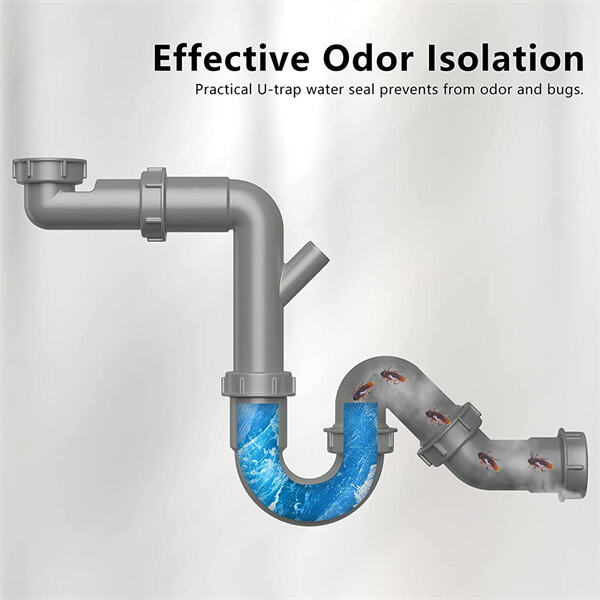
Siphons are useful, but can damage the environment if misapplied. They could leach dangerous chemicals into the water or flood. Siphons should be used with caution and, when used, should be well maintained to protect the environment.
With over 20 years of industry experience and two self-owned factories covering 26,000 sqm, we integrate in-house mold development, stainless steel processing, and plastic injection to ensure quality control and flexible OEM/ODM capabilities.
Our products are certified to major global standards including cUPC, WaterMark, EN274, and ISO9001, meeting strict regulatory requirements and ensuring safety, reliability, and market acceptance worldwide.
We export to more than 50 countries and regions, supported by a solid reputation built on advanced technology, consistent product quality, competitive pricing, and dependable service.
Located within 1 hour of Guangzhou and 30 minutes from Foshan, our production base benefits from efficient logistics and supply chain access, enabling timely delivery and responsive customer support.
 EN
EN