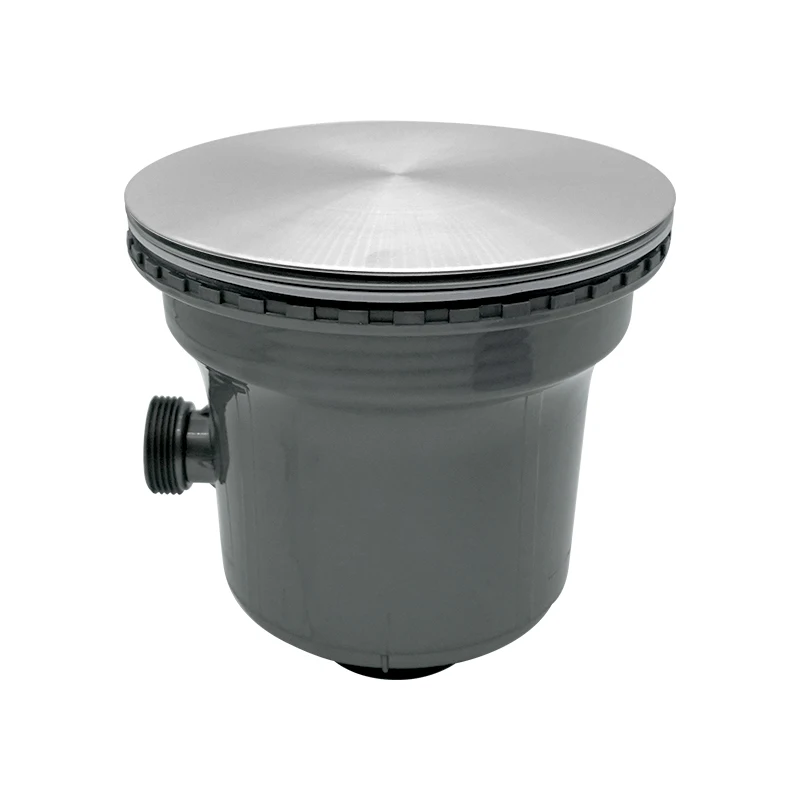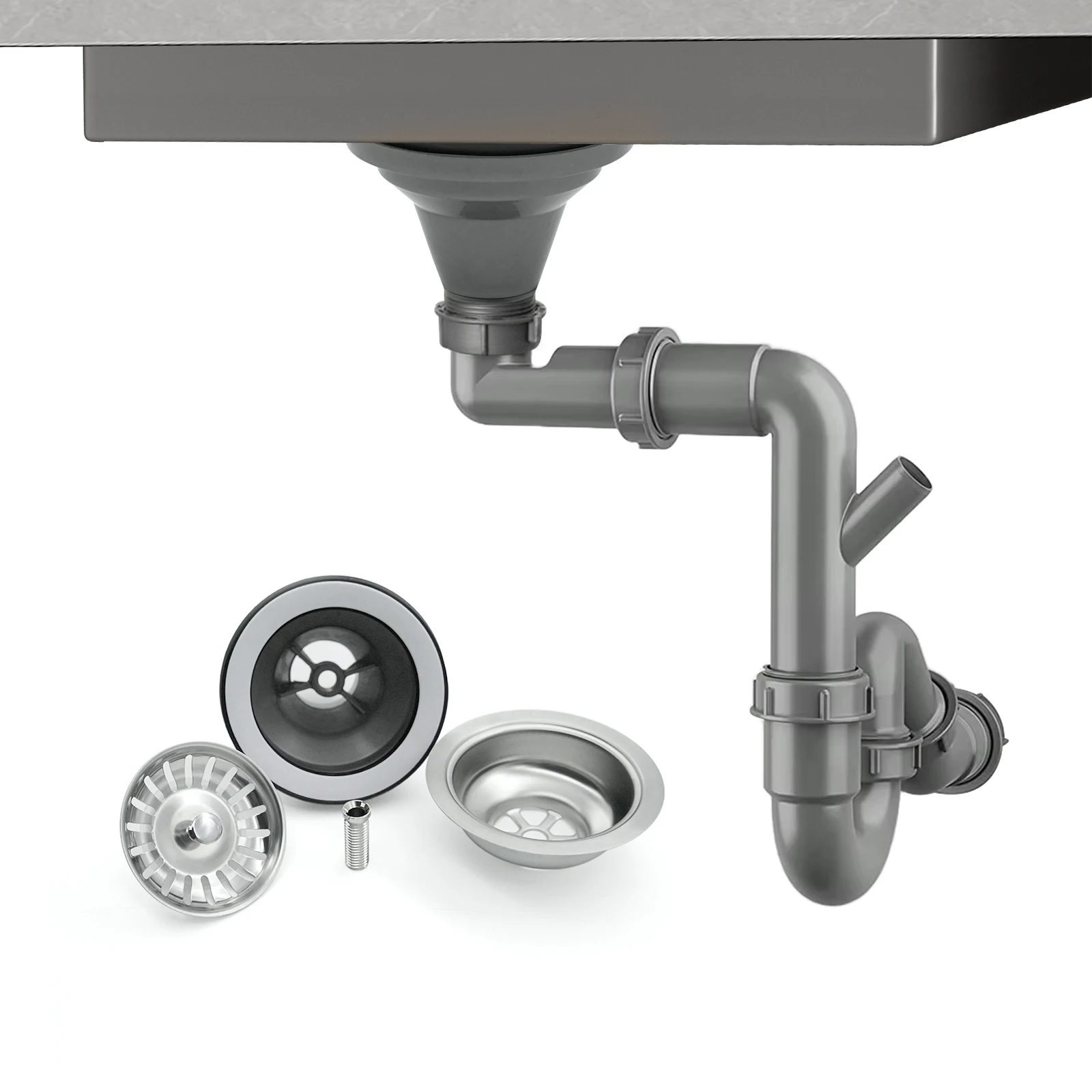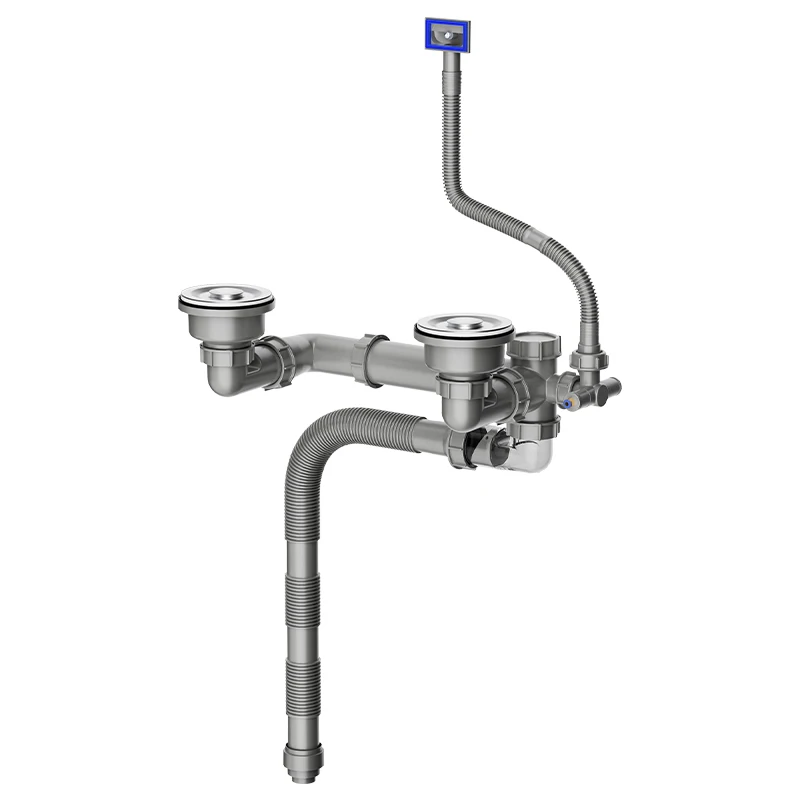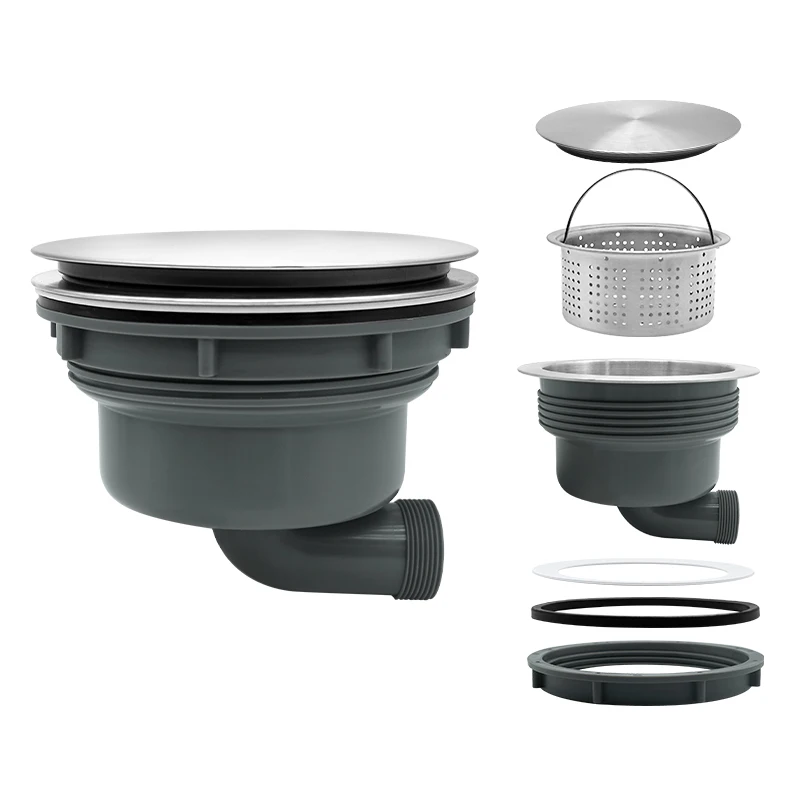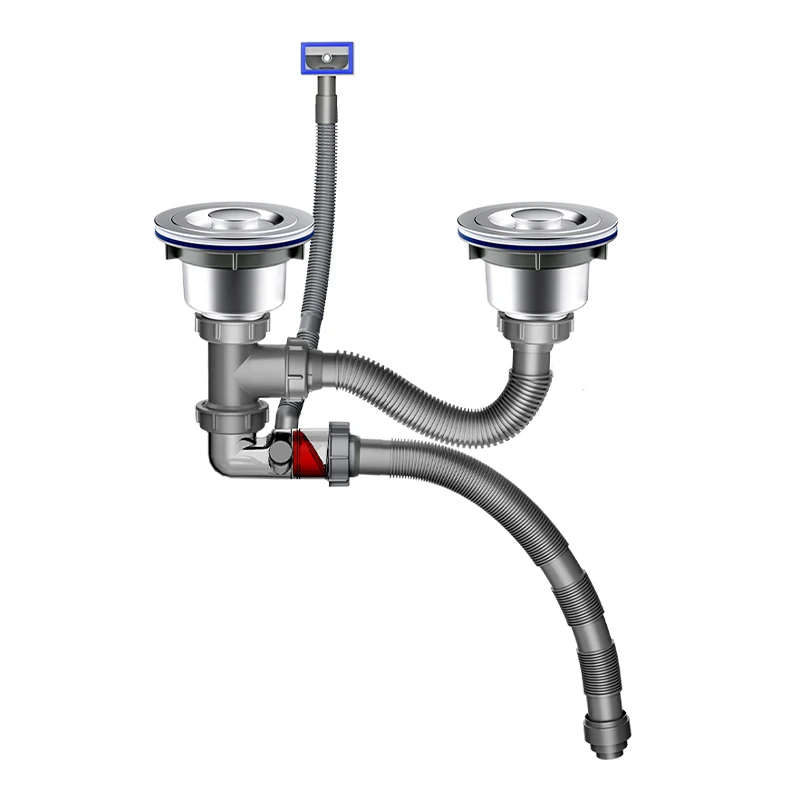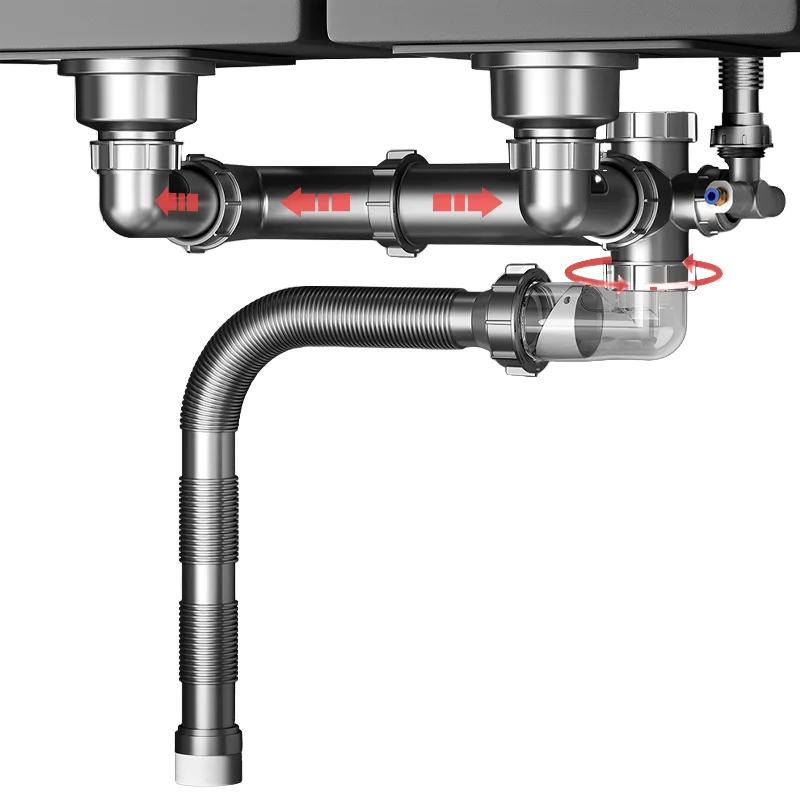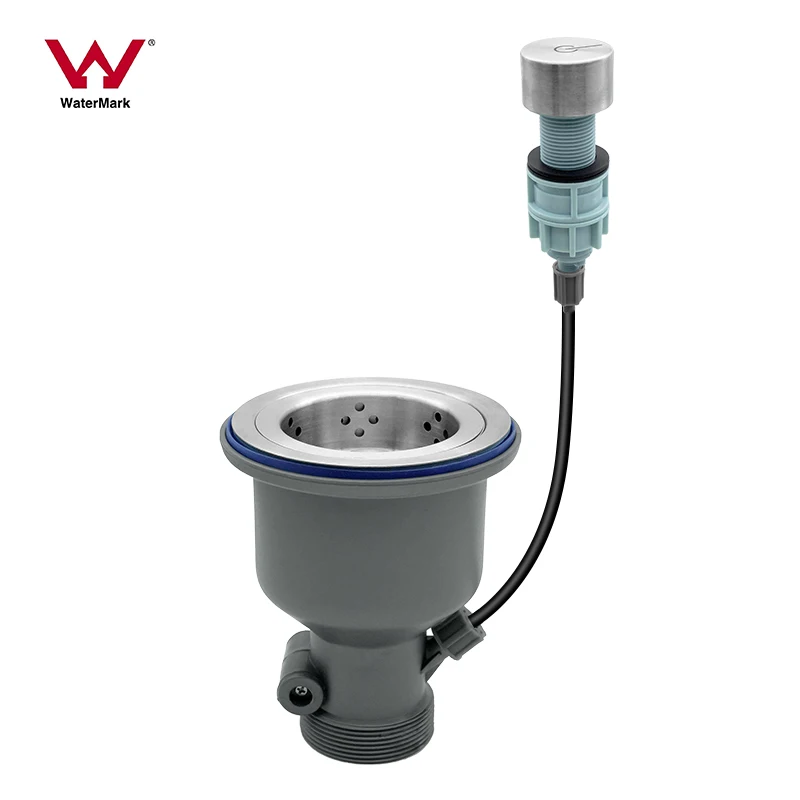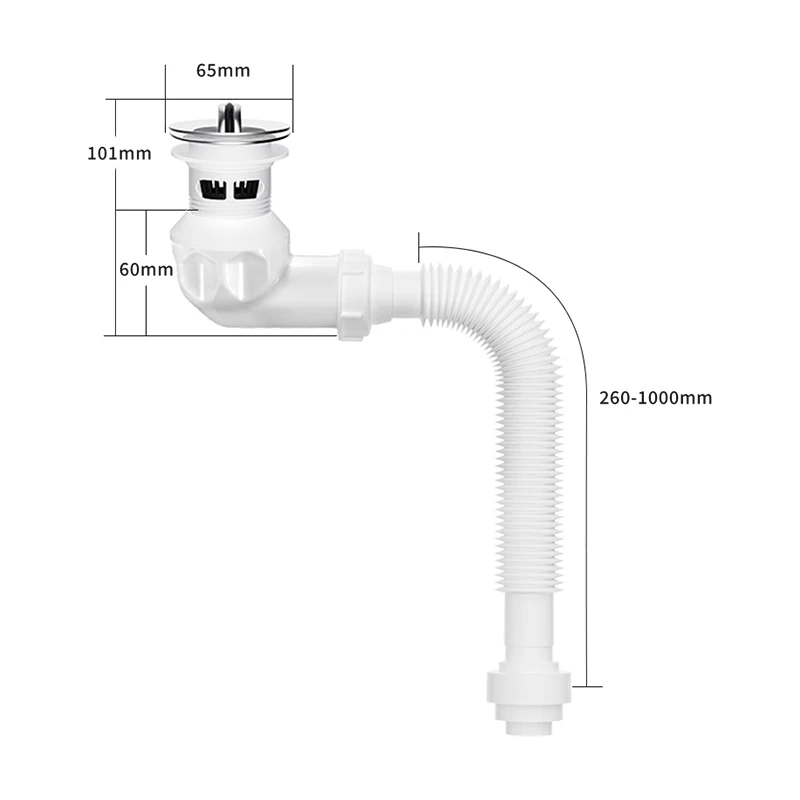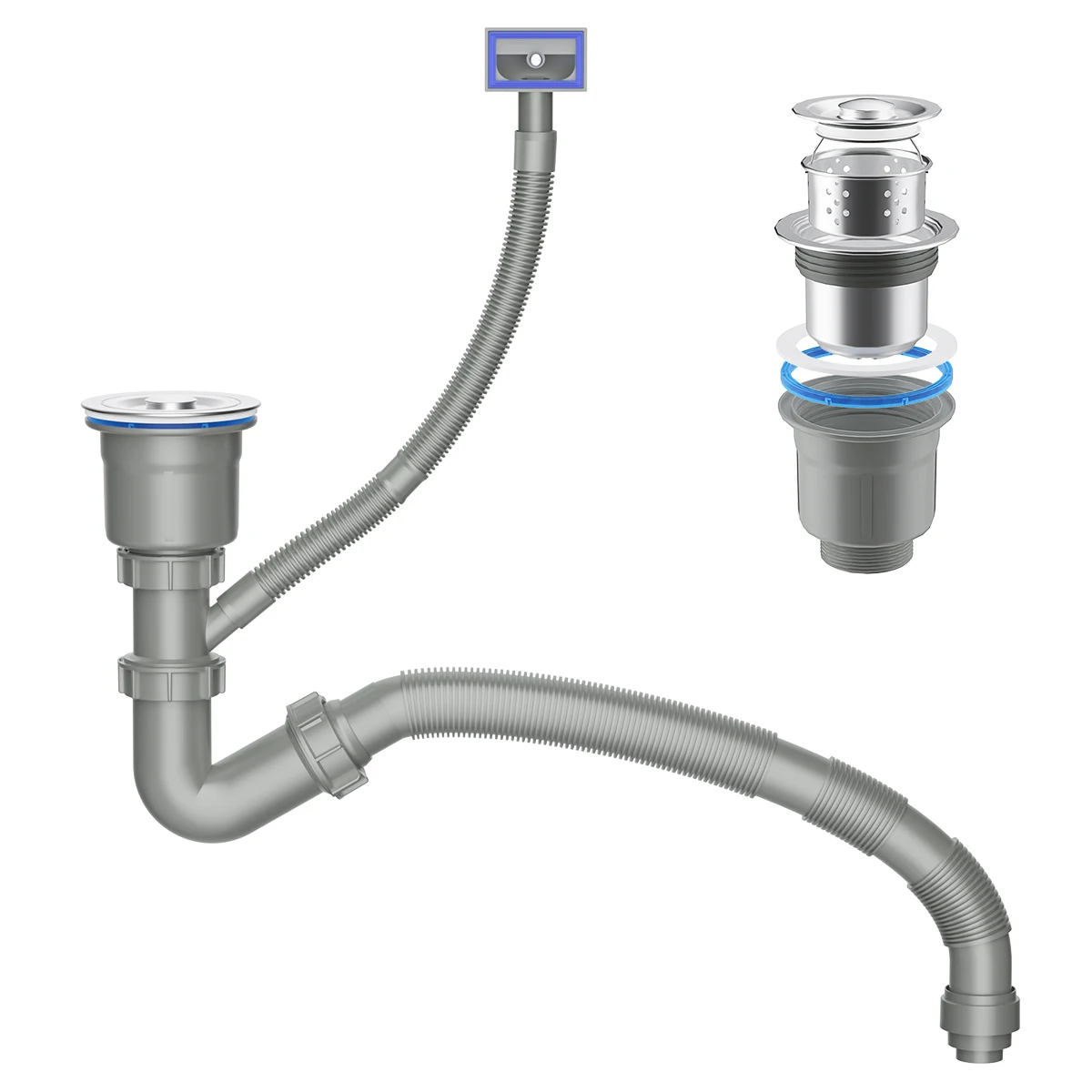
Garbage disposal drain plug is key to keeping your kitchen cleaner and fresher. It prevents food scraps and other waste from clogging up your sink and making it stink. We’ll explore how a strainer in sink operates, how to safely install it, and why it’s beneficial to have in your kitchen.
What is a garbage disposal drain plug? It prevents bits of food and other waste from falling into the drain. Use this plug to help prevent clogs and keep down your sink running smoothly.

Imagine this, with a garbage disposal drain plug, your kitchen is odor-free. The plug prevents food scraps and other waste from helping to make your sink smelly. This makes the kitchen a more pleasant place to cook and eat.

There are a lot of reasons to want to use a sink accessories for kitchen. It prevents clogs and keeps your sink running smooth. It also is less waste that goes down your drain, which is better for the planet and for pollution. And in fact, the plug can save you money on plumbers’ bills, by preventing clogs.

One of the great advantages of having a garbage disposal stopper is that it decreases the amount of waste. The plug catches food scraps and other debris so they don’t go down a drain and into landfills. This helps our environment. With a disposal drain plug, you can stop throwing your money down the drain!
Located within 1 hour of Guangzhou and 30 minutes from Foshan, our production base benefits from efficient logistics and supply chain access, enabling timely delivery and responsive customer support.
We export to more than 50 countries and regions, supported by a solid reputation built on advanced technology, consistent product quality, competitive pricing, and dependable service.
Our products are certified to major global standards including cUPC, WaterMark, EN274, and ISO9001, meeting strict regulatory requirements and ensuring safety, reliability, and market acceptance worldwide.
With over 20 years of industry experience and two self-owned factories covering 26,000 sqm, we integrate in-house mold development, stainless steel processing, and plastic injection to ensure quality control and flexible OEM/ODM capabilities.
 EN
EN